

Main menu

  • Home
  • About
    • About CBM
    • Editorial Board
    • Announcement
  • Articles
    • Ahead of print
    • Current Issue
    • Archive
    • Collections
    • Cover Story
  • For Authors
    • Instructions for Authors
    • Resources
    • Submit a Manuscript
  • For Reviewers
    • Become a Reviewer
    • Instructions for Reviewers
    • Resources
    • Outstanding Reviewer
  • Subscription
  • Alerts
    • Email Alerts
    • RSS Feeds
    • Table of Contents
  • Contact us
  • Other Publications
    • cbm

User menu

  • My alerts

Search

  • Advanced search
Cancer Biology & Medicine
  • Other Publications
    • cbm
  • My alerts
Cancer Biology & Medicine

Advanced Search


  • Home
  • About
    • About CBM
    • Editorial Board
    • Announcement
  • Articles
    • Ahead of print
    • Current Issue
    • Archive
    • Collections
    • Cover Story
  • For Authors
    • Instructions for Authors
    • Resources
    • Submit a Manuscript
  • For Reviewers
    • Become a Reviewer
    • Instructions for Reviewers
    • Resources
    • Outstanding Reviewer
  • Subscription
  • Alerts
    • Email Alerts
    • RSS Feeds
    • Table of Contents
  • Contact us
  • Follow cbm on Twitter
  • Visit cbm on Facebook
Research ArticleResearch Article

Phenylacetate Down-regulates Expression of RNA Editing Deaminase ADAR2 mRNA in U-251MG Glioma Cells

Yu Tian, Yuzuo Pan, Yufei Gao, Guilin Li, Jun Gao, Xingli Zhao, Guiying Li and Renzhi Wang
Chinese Journal of Clinical Oncology February 2006, 3 (1) 1-4;
Yu Tian
1Department of Neurosurgery, Sino-Japanese Friendship Hospital, Jilin University, Changchun 130033, China.
4Key Laboratory for Molecular Enzymology & Engineering, the Ministry of Education, Jilin University, Changchun 130021, China.
  • Find this author on Google Scholar
  • Find this author on PubMed
  • Search for this author on this site
  • For correspondence: tianyu2801{at}sohu.com
Yuzuo Pan
2Department of Pathophysiology, School of Basic Medical Sciences, Jilin University, Changchun 130021, China.
  • Find this author on Google Scholar
  • Find this author on PubMed
  • Search for this author on this site
Yufei Gao
1Department of Neurosurgery, Sino-Japanese Friendship Hospital, Jilin University, Changchun 130033, China.
  • Find this author on Google Scholar
  • Find this author on PubMed
  • Search for this author on this site
Guilin Li
3Department of Neurosurgery, Peking Union Medical College Hospital, Peking Union Medical College, Beijing 100005, China.
  • Find this author on Google Scholar
  • Find this author on PubMed
  • Search for this author on this site
Jun Gao
3Department of Neurosurgery, Peking Union Medical College Hospital, Peking Union Medical College, Beijing 100005, China.
  • Find this author on Google Scholar
  • Find this author on PubMed
  • Search for this author on this site
Xingli Zhao
1Department of Neurosurgery, Sino-Japanese Friendship Hospital, Jilin University, Changchun 130033, China.
  • Find this author on Google Scholar
  • Find this author on PubMed
  • Search for this author on this site
Guiying Li
4Key Laboratory for Molecular Enzymology & Engineering, the Ministry of Edu-cation, Jilin University, Changchun 130021, China.
  • Find this author on Google Scholar
  • Find this author on PubMed
  • Search for this author on this site
Renzhi Wang
3Department of Neurosurgery, Peking Union Medical College Hospital, Peking Union Medical College, Beijing 100005, China.
  • Find this author on Google Scholar
  • Find this author on PubMed
  • Search for this author on this site
  • Article
  • Figures & Data
  • Info & Metrics
  • References
  • PDF
Loading

Abstract

OBJECTIVE To observe the effect of phenylacetate on the expression of RNA editing deaminase ADAR2 mRNA in glioma cells.

METHODS Primary glial cells from human brain tissue and glioma U-251 MG cells were cultured. The expression of ADAR2 mRNA was detected by a semiquantitative reverse transcription-polymerase chain reaction (RT-PCR). The levels of ADAR2 mRNA expression before and after treatment with phenylacetate were tested by RT -PCR and image analysis. The level of ADAR2 gene expression was presented as the ratio expression rate (RER) of ADAR2 gene/β-actin based on computer image analysis.

RESULTS The ADAR2 mRNA displayed mild expression in brain glial cells, and a high expression level in high-grade malignant U-251 MG glioma cells. Computer image analysis showed that the RERs of the ADAR2 gene in the U -251 MG cells before and after treatment with 4.0, and 5.0 mM phenylacetate for 8 h were 100.0, 73.5, 60.3, respectively. The expression of ADAR2 mRNA was decreased by phenylacetate in glioma U-251MG cells.

CONCLUSION Phenylacetate can decrease the expression of ADAR2 mRNA in glioma cells, suggesting that phenylacetate, as a drug, may act on the course of RNA editing in gliomas.

KEYWORDS:

keywords

  • glioma
  • ADAR2
  • RT-PCR

RNA editing takes place at a post-transcriptional level.[1] Adenosine deaminases that act on RNA (ADARs) are RNA-editing enzymes that deaminate adenosines to create inosines in double-stranded RNA (dsRNA).[2] Currently, the functions of ADAR are the focus of RNA editing research.[3,4] To date, research on ADAR2 expression in the malignant U-251MG glioma cell line has not been reported. Herein we report the mRNA expression levels of ADAR2 in the glioma cell line U-251MG and the effect of an antitumor agent, phenylacetate, on ADAR2 mRNA expression.

MATERIALS AND METHODS

Cell culture

Primary cultures of human brain astrocytes were produced. Normal human brain tissues that were used to isolate and purify astrocytes were obtained from patients who had suffered an injury of the skull and brain. The cells were routinely cultured in DMEM medium (GIB-CO, Life Technologies, Gaithersburg, MD) under 5% CO2 in humidified air at 37 °C. The primary cells were adjusted to a concentration of 106/ml. The fibroblasts were eliminated by differential adherence.

The human neuroglioma U-251MG cell line (Cell Center of Chinese Academic Medical College, Beijing, China) was used in this study. The cells were routinely cultured in the DMEM medium supplemented with supplemented with 10% fetal bovine serum/1% penicillin/streptomycin/2 mM glutamine under 5% CO2 in humidified air at 37 °C. Cell monocytes were enzymatically dissociated with 0.2%(W/V) trypsin and 0.05% (W/V) EDTA.

RNA extraction and RT-PCR

Total RNA was extracted from the culture cells using the Catrimox-14TMRNA kit(TAKARA). The ADAR2 full length primer and ADAR2 specific primer are listed in Table 1. RT-PCR was routinely performed using the RevertTMAid First Strand cDNA kit. The beta-actin primer was used as internal control (forward primer: 5’-GTT TGA GAC CTT CAA CAC CCC-3’ and antisense primer: 5’-GTG GCA TCT TGC TCG AAG CT-3’, 287 bp fragment). Each reaction system contained: 2 μl cDNA, 50 mmol/L primer, 2 |μl 2.5 mmol/L dNTPs, 8 μl 10 ? PCR buffer, 0.5 μ,l Tag plus I. Each primer was amplified using an optimized number of PCR cycles (35 cycles otherwise noted) of 94°C for 40 s, 55~65 °C for 1 min, 72 °C for 1 min, and a final extension at 72 °C for 7 min. The PCR reaction was visualized on a 1.5% agarose gel containing 5 µg/ ml of ethidium bromide.

View this table:
  • View inline
  • View popup
Table 1.

PCR primer sequence of the ADAR2 gene

Experimental group

The cells were divided into 2 groups, including the primary human normal brain astrocytes and the neuroglioma U-251MG cells. PCRs were separately performed. The experiments were repeated 5 times. The glioma U-251MG cells were treated with 2 different concentrations of phenylacetic acid (4.0 and 5.0 mM). RT-PCR was performed to assess the expression of ADAR2 mRNA.

Digital image analysis

Semiquantitative analysis was performed using an image analyzer LUZEX-F (NIRECO, Japan). The expression level was counted using the ratio of the gray scale to the ADAR for β-actin. Data were measured 3 times.

Statistical analysis

Data were expressed as mean±SD using the Student t test. P<0.05 was considered as significant.

RESULTS

Expression of ADAR2 mRNA in glial cells of human brain tissue

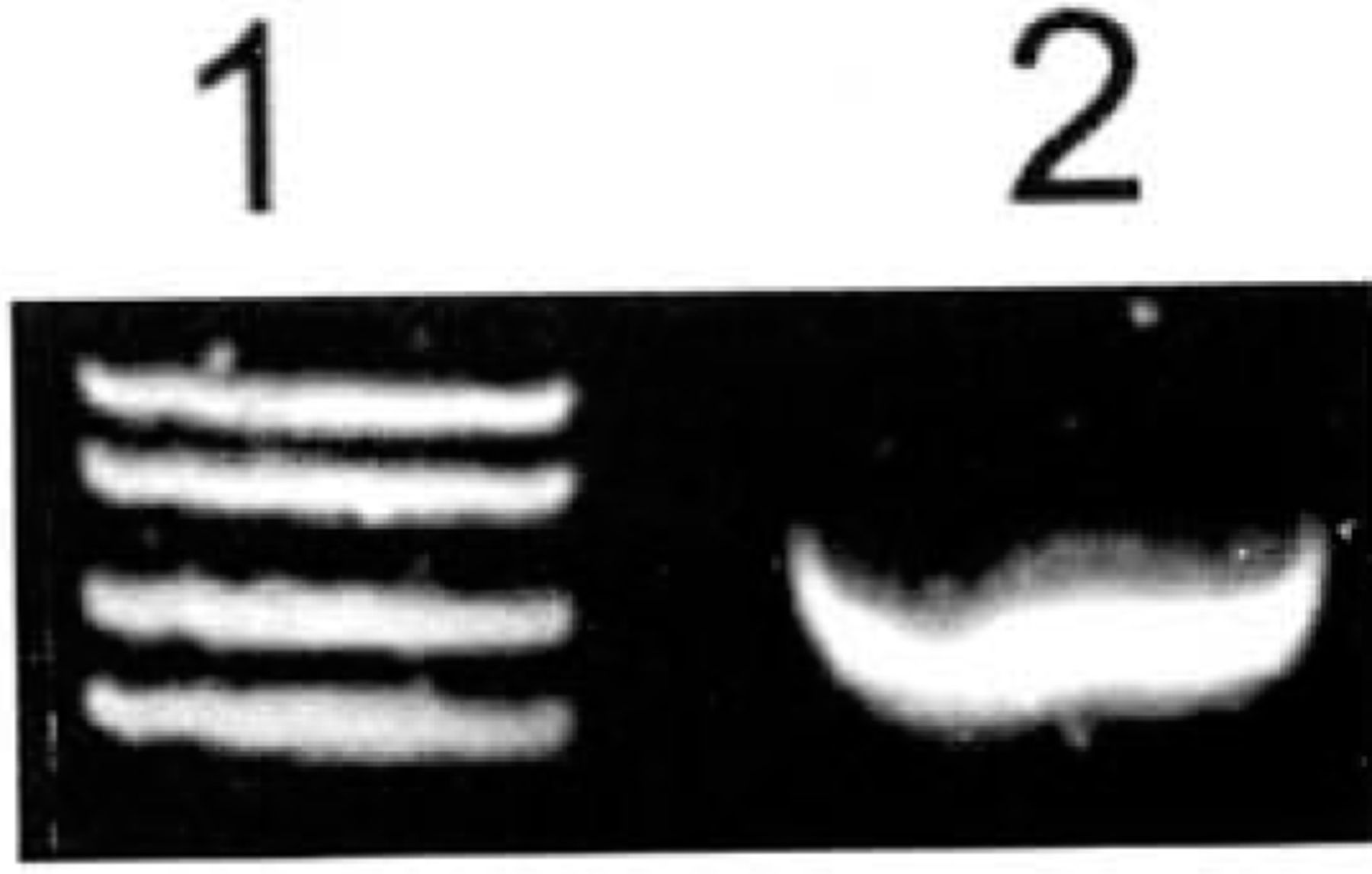
Fig. 1 shows, ADAR2 was slightly expressed in brain glial cells.
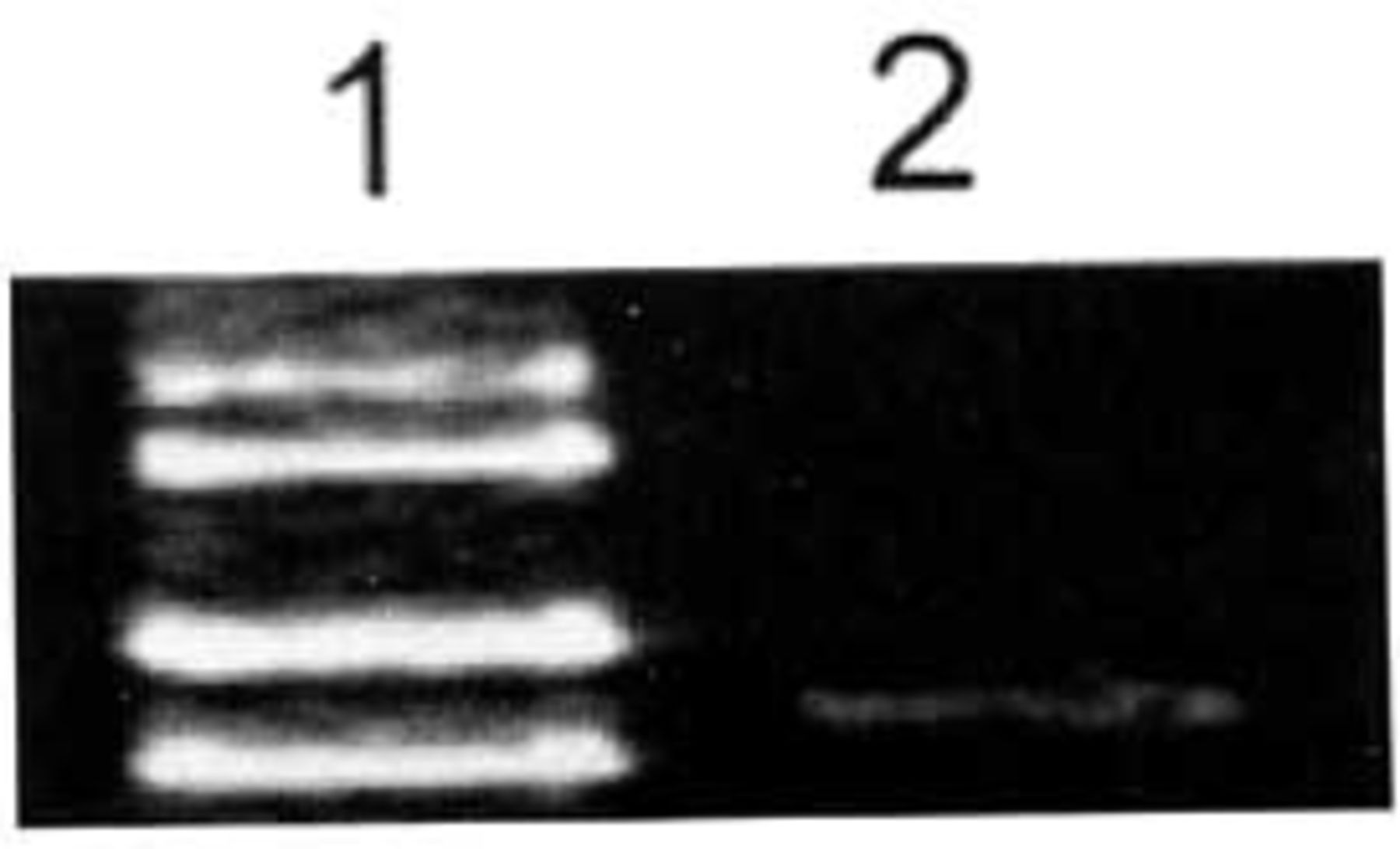
Fig. 1.
  • Download figure
  • Open in new tab
  • Download powerpoint
Fig. 1.

Expression of ADAR2 mRNA in glial cells of human brain tissues determined by RT-PCR. Expression of ADAR2 mRNA in glial cells of human brain was low. 1: Marker (takala F-17 λ-EcoT14 I digest); 2: Glial cells of human brain tissue.

Expression of ADAR2 mRNA in the glioma U-251MG cell line

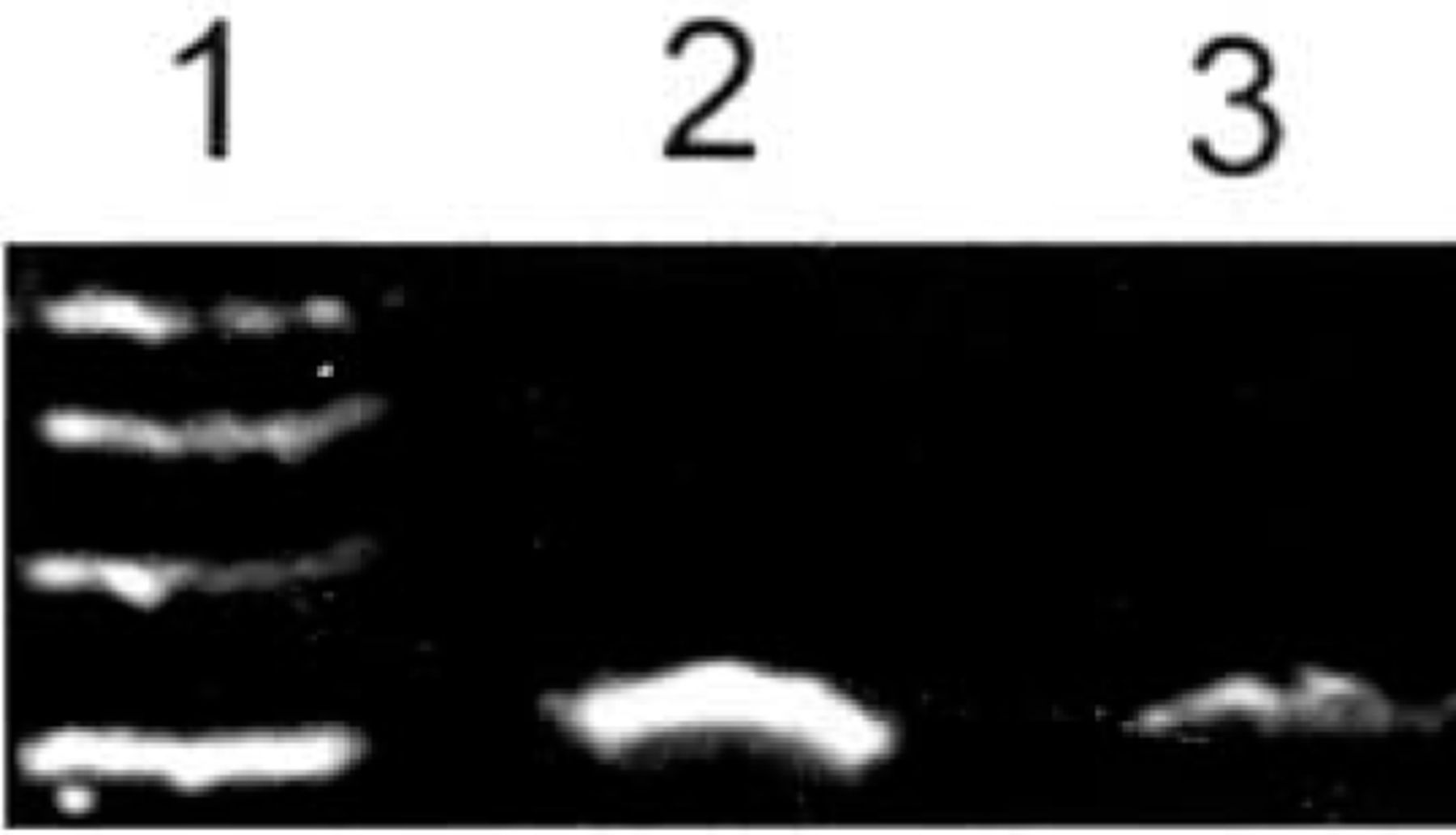
The expression of ADAR2 was strong in the highly malignant U-251MG glioblastoma cell line (Fig.2).

Fig. 2.
  • Download figure
  • Open in new tab
  • Download powerpoint
Fig. 2.

Expression of ADAR2 mRNA in U-251MG glioma cells determined by RT-PCR. Expression of ADAR2 mRNA was very strong in these cells. 1: Marker (takala F-17 λX.-EcoTl4 l dgest);2:Glioma U-251 MG cells.

Expression of ADAR2 mRNA in human U-251MG glioblastoma cells after treatment with phenylacetate

ADAR2 mRNA showed strong expression in malignant human U-251MG glioblastoma cells 8 h after treatment with 4.0 mM phenylacetate. In contrast, its expression was weak 8 h after treatment with 5.0 mM phenylacetate (Fig.3).

Fig. 3.
  • Download figure
  • Open in new tab
  • Download powerpoint
Fig. 3.

Expression of ADAR2 mRNA in U-251 glioma cells determined by RT-PCR before and after treatment with phenylacetate. The expression of ADAR2 mRNA was decreased by 5.0 mM phenylacetate in glioma U-251 cells. 1: Marker (takala F-17 λ-EcoT14 I digest); 2: Untreated glioma U-251 cells; 3: Glioma U-251 cells after treatment by 5.0 mM phenylacetate; 4: Glioma U-251 cells after treatment with 4.0 mM phenylacetate.

Computer image analysis showed that the ratio expression rate (RER) of the ADAR2 gene in U-251 MG glioblastoma cells before and 8 h after treatment with 4.0, and 5.0 mM phenylacetate were 100.0, 73.5 and 60.3, respectively. The expression level of ADAR2 mRNA was significantly decreased by 5.0 mM phenylacetate in the U-251 cells. This indicates that the expression of ADAR2 mRNA was significantly down-regulated by 5.0 mM phenylacetate in these cells (P<0.01).

DISCUSSION

Glioblastoma multiforme (GBM), which is the. most common malignant form of glioma, causes death in most patients within 1 year after diagnosis.[5] The U-251MG cell line was established from a human glioblastoma.[6] With regard to RNA-editing in human glioma, Mass et al.[7] in 2001, had first reported that in human malignant brain glioblastoma tissues, there was an underediting on the Q/R and R/G sites.

In mammals, large numbers of genes undergo a type of RNA editing that is characterized by site-selective adenosine-to-inosine (A-to-I) modification.[8]The A-to-I editing substrates are brain-specific transcripts coding for the glutamate receptor (GluR) channels and G-protein-coupled serotonin receptors. In the GluR subunit B(GluR-B), two editing positions, Q/R-site and R/ G-site, have been found. The GluR-B subunit mRNA was completely edited in human brain.[9,10] At the Q/R-site, RNA editing almost quantitatively (>99.9% ) changes the glutamine (Q) codon CAG to a CIG, specifying arginine (R). It is believed that the Q/R site is a naturally RNA editing site in human brain. RNA editing at the Q/R sites is “natural RNA editing”.

RNA editing is regulated by adenosine deaminases acting on RNA (ADAR).[11] ADAR-mediated RNA editing is essential for normal life and the development of both invertebrates and vertebrates.[12,13] In the ADAR family, ADAR1 knockout mice die as embryos and ADAR2 null mice are bom at full term but die prematurely. [14] ADAR2 is known as the adenosine deaminase that is primarily responsible for the Q/R site, while ADAR1 edits more promiscuously at several other adenosines in the double-stranded stem, [15] ADAR3 is capable of binding not only to doublestranded RNA (dsRNA) but also to single-stranded RNA (ssRNA).[16]

Mass et al.[7] thought that underediting on glioblastoma might be due to decreased expression of ADAR2 or down-regulation of ADAR2 enzymatic activity. However, after judging by quantitative expression analysis using real-time PCR, they found that the expression of ADAR2 mRNA was not significantly altered (not decreased) in the glioblastoma tissues.

On the other hand, in 2004, Levanon et al.[8] confirmed that abundant RNA editing occurs in neuroblastomas tissues, and the sites of these RNA editing were previously unknown. They showed that this abundant RNA editing was also regulated by ADARs. We thought that Levanon’s results suggested that ADARs or one kind of ADAR might be highly expressed in neuroblastoma. We selected the ADAR2 deaminase that is primarily responsible for the Q/R site as a target for our studies in U-251 MG cells.

In our research, we found that the level of ADAR2 mRNA expression was very low in brain glial cells and high in the U-251MG cells. Our results suggest that the high level expression of ADAR2 mRNA might be associated with genesis of malignant gliomas. We believe that there is increased RNA editing in gliomas, but this does not occur at the natural RNA editing site (Q/R site). The increased RNA editing in gliomas might be abnormal RNA editing. Our results suggest that not only the decreased of natural RNA editing, but also increased abnormal RNA editing might be involved in glioma origin.

The antitumor agent, phenylacetate (PA), can suppress the growth of glioma,[17, 18] and can also affect the course of translation in glioma cells.[19] We found that the expression level of ADAR2 mRNA reduced in the U-25 1MG glioma cells treated by phenylacetate. This suggests that phenylacetate can affect the course of abnormal RNA editing in high-grade malignant glioma cells.

Footnotes

  • This study was supported by the National Nature Science Foundation of China (No. 30271334).

  • Received November 25, 2005.
  • Accepted December 6, 2005.
  • Copyright © 2006 by Tianjin Medical University Cancer Institute & Hospital and Springer

References

  1. ↵
    1. Barlati S.,
    2. Barbon A
    . RNA editing: a molecular mechanism for the fine modulation of neuronal transmission. Acta Neurochir Suppl. 2005;93:53–57.
    OpenUrlCrossRefPubMed
  2. ↵
    1. Valente L.,
    2. Nishikura K
    . ADAR gene family and A-to-I RNA editing: diverse roles in posttranscriptional gene regulation. Prog Nucleic Acid Res Mol Biol. 2005:79:299–338.
    OpenUrlCrossRefPubMed
  3. ↵
    1. Macbeth MR.,
    2. Schubert HL,
    3. Vandemark AP, et al
    . Inositol hexakisphosphate is bound in the ADAR2 core and required for RNA editing. Science. 2005; 309:1534–1539.
    OpenUrlAbstract/FREE Full Text
  4. ↵
    1. Yang W.,
    2. Wang Q,
    3. Howell KL, et al
    . ADARl RNA deaminase limits short interfering RNA efficacy in mammalian cells. J Biol Chem. 2005;280:3946–3953.
    OpenUrlAbstract/FREE Full Text
  5. ↵
    1. Holland EC.
    . Glioblastoma multiforme: The terminator. Proc Natl Acad Sci USA. 2000;97:6242–6244.
    OpenUrlFREE Full Text
  6. ↵
    1. Bigner D D.,
    2. Bigner S H,
    3. Ponten J, et al
    . Heterogeneity of genotypic and phenotypic characteristics of fifteen permanent cell lines derived from human gliomas. J Neuropathol Exp Neurol. 1981;40:201–229.
    OpenUrl
  7. ↵
    1. Maas S.,
    2. Patt S,
    3. Schrey M. et al
    . Underediting of glutamate receptor Glu R-B mRNA in malignant gliomas. Proc Natl Acad Sci USA. 2001;98:14687–14692.
    OpenUrlAbstract/FREE Full Text
  8. ↵
    1. Levanon EY.,
    2. Eisenberg E,
    3. Yelin R, et al
    . Systematic identification of abundant A-to-I editing sites in the human transcriptome. Nature Biotech. 2004;22:1001–1005.
    OpenUrlCrossRefPubMed
  9. ↵
    1. Sommer B.,
    2. Sprengel Kohler M., et al
    . RNA editing in brain controls a determinant of ion flow in glutamategated channels. Cell. 1991;67:11–19.
    OpenUrlCrossRefPubMed
  10. ↵
    1. Paschen W.,
    2. Hedreen IC,
    3. Ross CA
    . RNA editing of the glutamate receptor subunits Glu R2 and Glu R6 in human brain tissue. J Neurochem. 1994;63:1596–1602.
    OpenUrlPubMed
  11. ↵
    1. Maas S.,
    2. Rich A
    . Changing genetic information through RNA editing. Bioessays. 2000;22:790–802.
    OpenUrlCrossRefPubMed
  12. ↵
    1. Palladino MJ.,
    2. Keegan LP, O'Connell, et al
    . A-to-I pre-mRNA editing in Drosophila is primarily involved in adult nervous system function and integrity. Cell. 2000;102:437–449.
    OpenUrlCrossRefPubMed
  13. ↵
    1. Wang Q.,
    2. Khillan J,
    3. Gadue P, et al
    . Requirement of the RNA editing deaminase ADARl gene for embryonic erythropoiesis. Science. 2000;290:1765–1768.
    OpenUrlAbstract/FREE Full Text
  14. ↵
    1. Higuchi M.,
    2. Maas S,
    3. Single FN, et al
    . Point mutation in an AMPA receptor gene rescues lethality in mice didicient in the RNA-editing enzyme ADAR2. Nature. 2000;406:78–81.
    OpenUrlCrossRefPubMed
  15. ↵
    1. Kallman AM.,
    2. Sahlin M,
    3. Ohman M
    . ADAR2 A→I editing: site selectivity and editing efficiency are separate events. Nucleic Acids Res. 2003;31:4874–4881.
    OpenUrlCrossRefPubMed
  16. ↵
    1. Chen CX.,
    2. Cho DS,
    3. Wang Q, et al
    . A third member of the RNA-specific adenosine deaminase gene family, ADAR3 contains both single-and double-stranded RNA binding domains. RNA. 2000;6:755–767.
    OpenUrlAbstract
  17. ↵
    1. Li XN.,
    2. Parikh S,
    3. Shu Q, et al
    . Phenylbutyrate and phenylacetate induce differentiation and inhibit proliferation of human medulloblastoma cells. Clin Cancer Res. 2004;10:1150–1159.
    OpenUrlAbstract/FREE Full Text
  18. ↵
    1. Schmidt F.,
    2. Groscurth P,
    3. Kermer M, et al
    . Lovastatin and phenylacetate induce apoptosis, but not differentiation, in human malignant glioma cells. Acta Neuropathol (Berl). 2001;101:217–224.
    OpenUrlPubMed
  19. ↵
    1. Tian Y.,
    2. Yang C,
    3. Zhao C
    . Up regulation of phenylacetate to glioma homeobox gene expression. Chin J Oncol. 2002;24:126–128.
    OpenUrl
PreviousNext
Back to top

In this issue

Cancer Biology and Medicine: 3 (1)
Chinese Journal of Clinical Oncology
Vol. 3, Issue 1
1 Feb 2006
  • Table of Contents
  • Index by author
Print
Download PDF
Email Article

Thank you for your interest in spreading the word on Cancer Biology & Medicine.

NOTE: We only request your email address so that the person you are recommending the page to knows that you wanted them to see it, and that it is not junk mail. We do not capture any email address.

Enter multiple addresses on separate lines or separate them with commas.
Phenylacetate Down-regulates Expression of RNA Editing Deaminase ADAR2 mRNA in U-251MG Glioma Cells
(Your Name) has sent you a message from Cancer Biology & Medicine
(Your Name) thought you would like to see the Cancer Biology & Medicine web site.
Citation Tools
Phenylacetate Down-regulates Expression of RNA Editing Deaminase ADAR2 mRNA in U-251MG Glioma Cells
Yu Tian, Yuzuo Pan, Yufei Gao, Guilin Li, Jun Gao, Xingli Zhao, Guiying Li, Renzhi Wang
Chinese Journal of Clinical Oncology Feb 2006, 3 (1) 1-4;

Citation Manager Formats

  • BibTeX
  • Bookends
  • EasyBib
  • EndNote (tagged)
  • EndNote 8 (xml)
  • Medlars
  • Mendeley
  • Papers
  • RefWorks Tagged
  • Ref Manager
  • RIS
  • Zotero
Share
Phenylacetate Down-regulates Expression of RNA Editing Deaminase ADAR2 mRNA in U-251MG Glioma Cells
Yu Tian, Yuzuo Pan, Yufei Gao, Guilin Li, Jun Gao, Xingli Zhao, Guiying Li, Renzhi Wang
Chinese Journal of Clinical Oncology Feb 2006, 3 (1) 1-4;
Twitter logo Facebook logo Mendeley logo
  • Tweet Widget
  • Facebook Like
  • Google Plus One

Jump to section

  • Article
    • Abstract
    • MATERIALS AND METHODS
    • RESULTS
    • DISCUSSION
    • Footnotes
    • References
  • Figures & Data
  • Info & Metrics
  • References
  • PDF

Related Articles

  • No related articles found.
  • Google Scholar

Cited By...

  • No citing articles found.
  • Google Scholar

More in this TOC Section

  • B7-H4 Expression and Increased Death Risk of Cancer Patients: A Meta-Analysis
  • Efficacy and Immune Mechanisms of Cetuximab for the Treatment of Metastatic Colorectal Cancer
  • Pemetrexed Monotherapy and Pemetrexed Plus Platinum Combination Therapy as Non-First-Line Treatments for Advanced Non-Small Cell Lung Cancer
Show more Research Article

Similar Articles

Keywords

  • glioma
  • ADAR2
  • RT-PCR

Navigate

  • Home
  • Current Issue

More Information

  • About CBM
  • About CACA
  • About TMUCIH
  • Editorial Board
  • Subscription

For Authors

  • Instructions for authors
  • Journal Policies
  • Submit a Manuscript

Journal Services

  • Email Alerts
  • Facebook
  • RSS Feeds
  • Twitter


© 2025 Cancer Biology & Medicine

Powered by HighWire